What Composite Bonding Is
A lot of patients come in asking about composite bonding. They have heard it is cheaper and faster. They want to know if it is good enough. The honest answer: it depends entirely on what you are trying to fix.
Composite bonding uses a soft resin that a dentist shapes directly on your tooth. The dentist molds it by hand while it is still soft, then hardens it with a curing light. The whole thing can be done in a single visit.
It does not require removing much tooth structure. In many cases it requires none at all. The resin bonds to the surface of the enamel. A skilled dentist can fix a chip, close a small gap, or lengthen a short tooth in under an hour.
Bonding has been around for decades. It is a real, proven tool. For the right situation it works well.
Composite bonding
A resin material shaped by hand on the tooth, done chair-side in one visit. Conservative. Good for single-tooth repairs.
Where Bonding Falls Short
Bonding has real limits. The most common one is staining. Composite resin is porous. It picks up coffee, tea, and wine over time, so the bonded area can shift shade while the natural tooth stays the same.
Chipping is another issue. Composite is not as hard as your natural enamel. It can chip, especially on front teeth that take regular bite pressure.
The biggest challenge is full-smile work. Bonding is shaped by hand, tooth by tooth. Getting a dozen teeth to look like one naturally matching set is very hard. Small differences in shade, shape, and thickness add up. On one tooth it is barely noticeable. Across a full smile it shows.
Bonding is an honest tool. It just was not designed to redesign an entire smile at once.
Where PERL Veneers Fit In
PERL veneers sit in the space between composite bonding and porcelain veneers. They are more involved than bonding. They are far less aggressive than traditional porcelain.
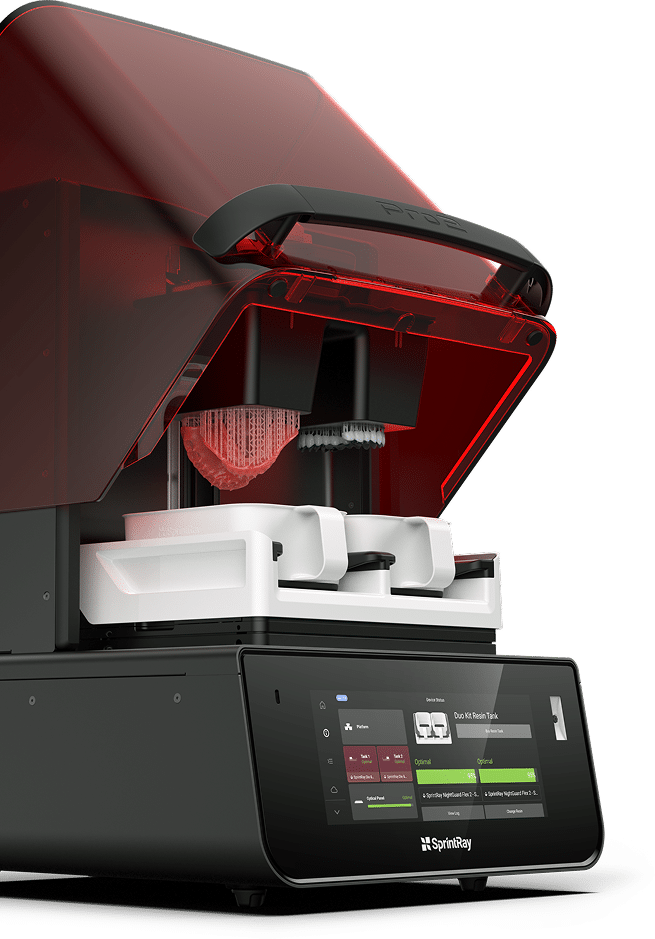
The key difference is the design process. A PERL smile makeover starts with digital smile design. Every tooth gets mapped and planned on a computer before anything touches your mouth. You see the full final smile, approve it, and then it is printed.
Because the veneers are designed as a set, the consistency problem that bonding struggles with is solved. Every tooth in the design comes from the same file. Shade, shape, and edge detail match across the whole arch.
The material is different too. PERL uses a printed ceramic-resin hybrid, not hand-shaped composite and not porcelain. In most cases little or no tooth reduction is needed, which is what makes PERL a non-invasive smile makeover option.
An Honest Side by Side
| Factor | PERL Printed Veneers | Composite Bonding |
|---|---|---|
| Design method | Digitally designed full arch | Hand shaped, chair-side |
| Full-smile consistency | Built in, all teeth from one file | Hard across multiple teeth |
| Stain resistance | More stain-resistant surface | Resin stains over time |
| Tooth prep | Minimal to none | Minimal to none |
| Repairs | Saved digitally, reprintable | Repairable chair-side |
| Best for | Full-smile redesign | Single-tooth repairs |
On looks, both can produce a natural result in the right hands. Bonding on a single tooth, done well, is nearly invisible. PERL across a full smile produces the uniform, intentional result that bonding struggles to achieve at scale.
On longevity, neither is permanent. Both depend on your bite, your habits, and how you care for them. Bonding may need touch-ups sooner, especially if you grind your teeth or drink a lot of staining beverages. PERL designs are saved digitally. If a veneer ever chips, the file is there and a new one can be printed without starting over.
Who Should Choose Each
Choose Bonding If
- You have a single chipped or cracked tooth
- You want the lowest-cost single-tooth fix
- The repair is small and isolated
- You are fine returning for touch-ups over time
- You do not need full-smile uniformity
Choose PERL If
- You want to change the look of your full smile
- You want consistent shape and shade across all teeth
- You want to avoid cutting down healthy teeth
- You want a planned result you can preview first
- You want a makeover without wearing temporaries
What About Porcelain?
Porcelain veneers are the third option. They have decades of clinical history and produce beautiful results. They also require more enamel removal, and that prep is irreversible. Once the enamel is cut down, you are committed to veneers for life.
For patients who want porcelain's specific look or have more complex needs, porcelain can be the right call. Dr. Trembley does not dismiss it. But for patients who want a full-smile change without permanently altering healthy teeth, PERL offers a path that porcelain does not. See the full PERL vs porcelain comparison.
Our only goal: the right fit
Not the most expensive option, and not the cheapest one. The right treatment depends on how many teeth you want to change and how permanent you are willing to go.
Learn More
If you are still weighing options, the PERL program page covers what the veneers are, how the process works, and who makes a good candidate, all in one place.